Quick Answer
A digital workplace is a centralized platform that helps employees access company information, communicate with colleagues, collaborate on projects, and find the resources they need to do their jobs effectively. Modern digital workplace software combines internal communications, document management, employee directories, knowledge sharing, and collaboration tools into a single employee experience.
Organizations use digital workplace platforms to improve communication, increase employee engagement, reduce information silos, and provide employees with a single source of truth.
Key Takeaways
- A digital workplace centralizes communication, documents, and employee resources.
- Modern intranet software is the foundation of many digital workplace strategies.
- Effective internal communication improves employee engagement and productivity.
- Knowledge management helps organizations preserve and share expertise.
- Employee self-service reduces administrative workload and improves access to information.
- A digital workplace can support both in-office and hybrid work environments.
What Is a Digital Workplace?
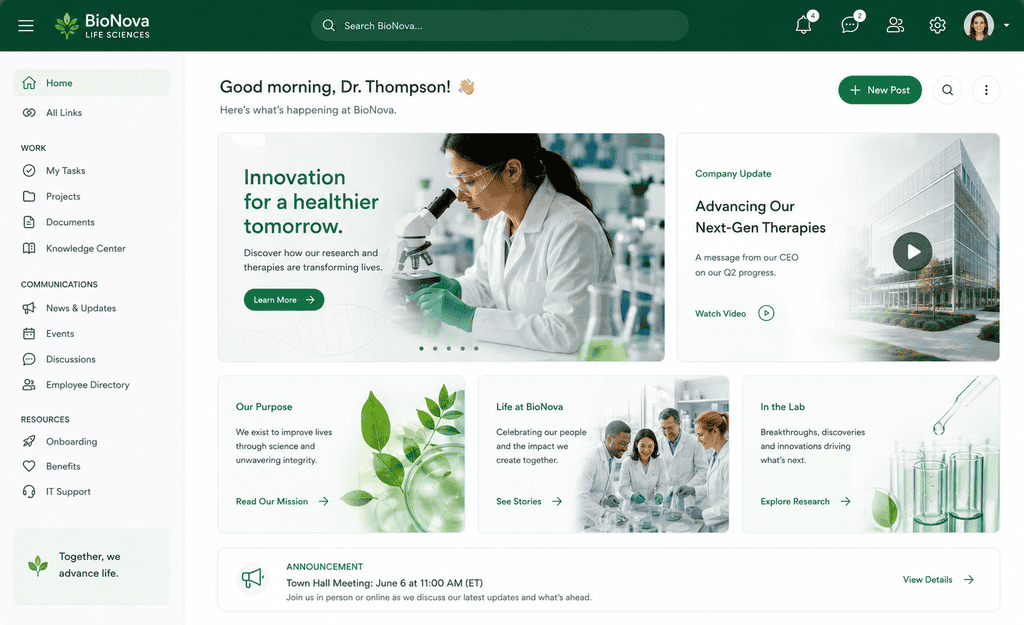
A digital workplace is a centralized online environment where employees can access company information, communicate with colleagues, collaborate on projects, and complete everyday tasks.
Rather than relying on email, shared drives, spreadsheets, and multiple disconnected applications, a digital workplace brings information and resources together into a single platform.
Common digital workplace features include:
- Company news and announcements
- Document management
- Employee directories
- Team collaboration spaces
- Knowledge bases
- Quick links and resources
- Employee recognition tools
- Mobile access
What Is an Intranet?
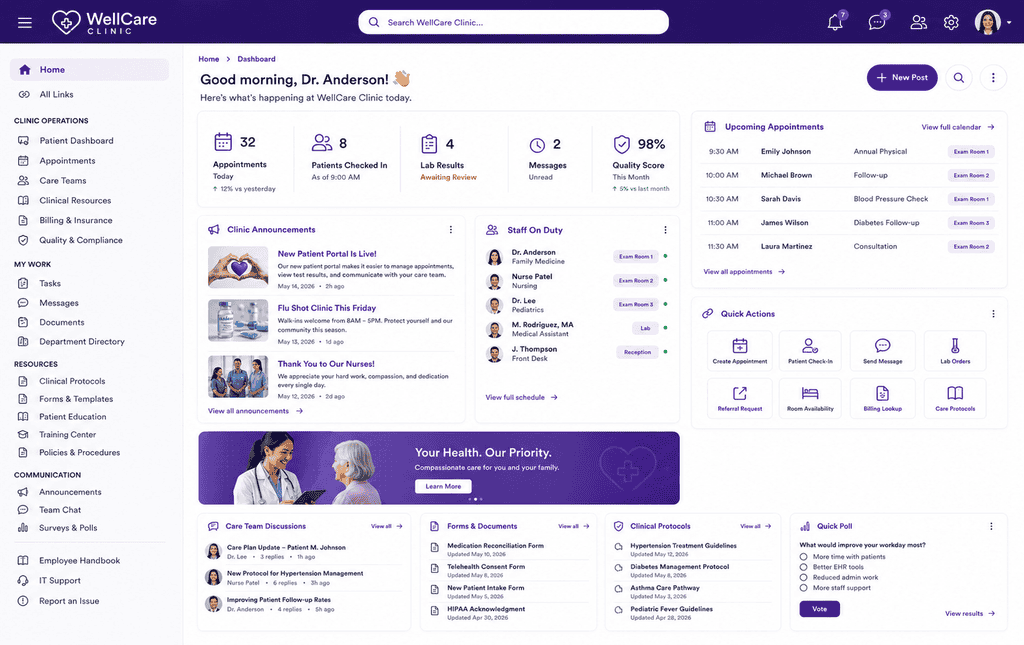
An intranet is a private internal website used by employees within an organization.
Traditionally, intranets were used primarily for document storage and company news. Modern intranet platforms have evolved into comprehensive digital workplaces that support communication, collaboration, and employee engagement.
Organizations use intranets to:
- Share company news
- Publish policies and procedures
- Provide access to forms and resources
- Improve knowledge sharing
- Support employee onboarding
- Connect distributed teams
Digital Workplace vs Intranet
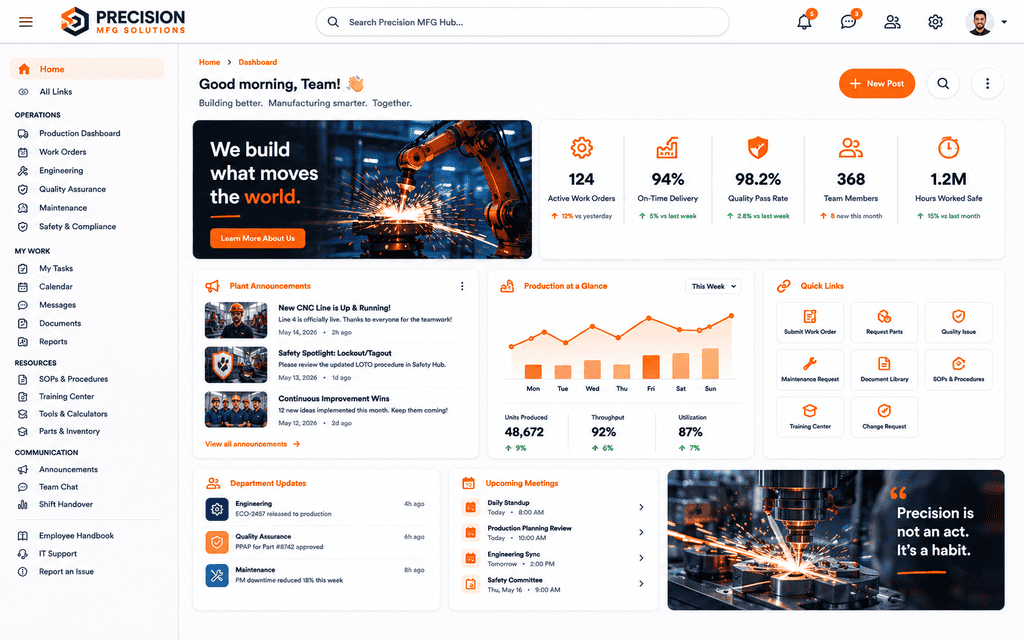
Many people use the terms interchangeably, but there are subtle differences.
| Feature | Traditional Intranet | Digital Workplace |
|---|---|---|
| Company News | Yes | Yes |
| Document Storage | Yes | Yes |
| Employee Directory | Often | Yes |
| Knowledge Management | Limited | Yes |
| Collaboration Features | Limited | Yes |
| Integrations | Limited | Extensive |
| Employee Experience Focus | Moderate | High |
| Mobile Access | Sometimes | Typically Included |
In many organizations, the intranet serves as the foundation of the broader digital workplace strategy.
Why Internal Communication Matters
Strong internal communication helps employees understand company goals, stay informed, and work more effectively together.
Poor communication often leads to:
- Information silos
- Duplicate work
- Employee frustration
- Reduced engagement
- Lower productivity
Effective communication helps organizations:
- Align employees with company objectives
- Improve transparency
- Support change management
- Increase employee satisfaction
- Strengthen workplace culture
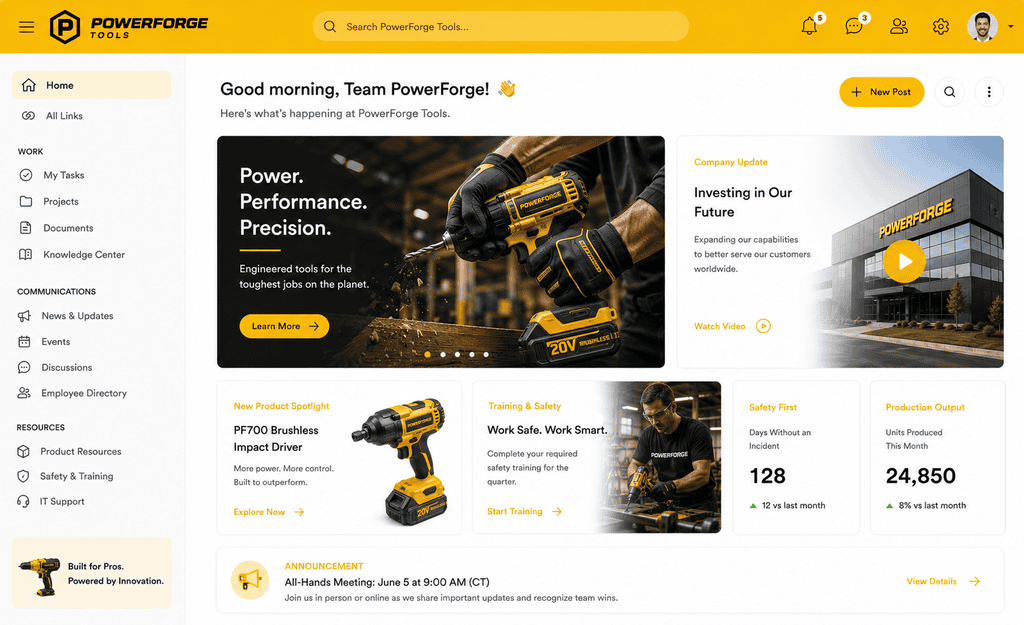
What Is Internal Communication Software?
Internal communication software helps organizations distribute information, share updates, and keep employees connected.
Features often include:
- News publishing
- Announcements
- Notifications
- Employee directories
- Team communication tools
- Mobile access
- Content targeting
A centralized communication platform helps ensure employees receive the information they need when they need it.
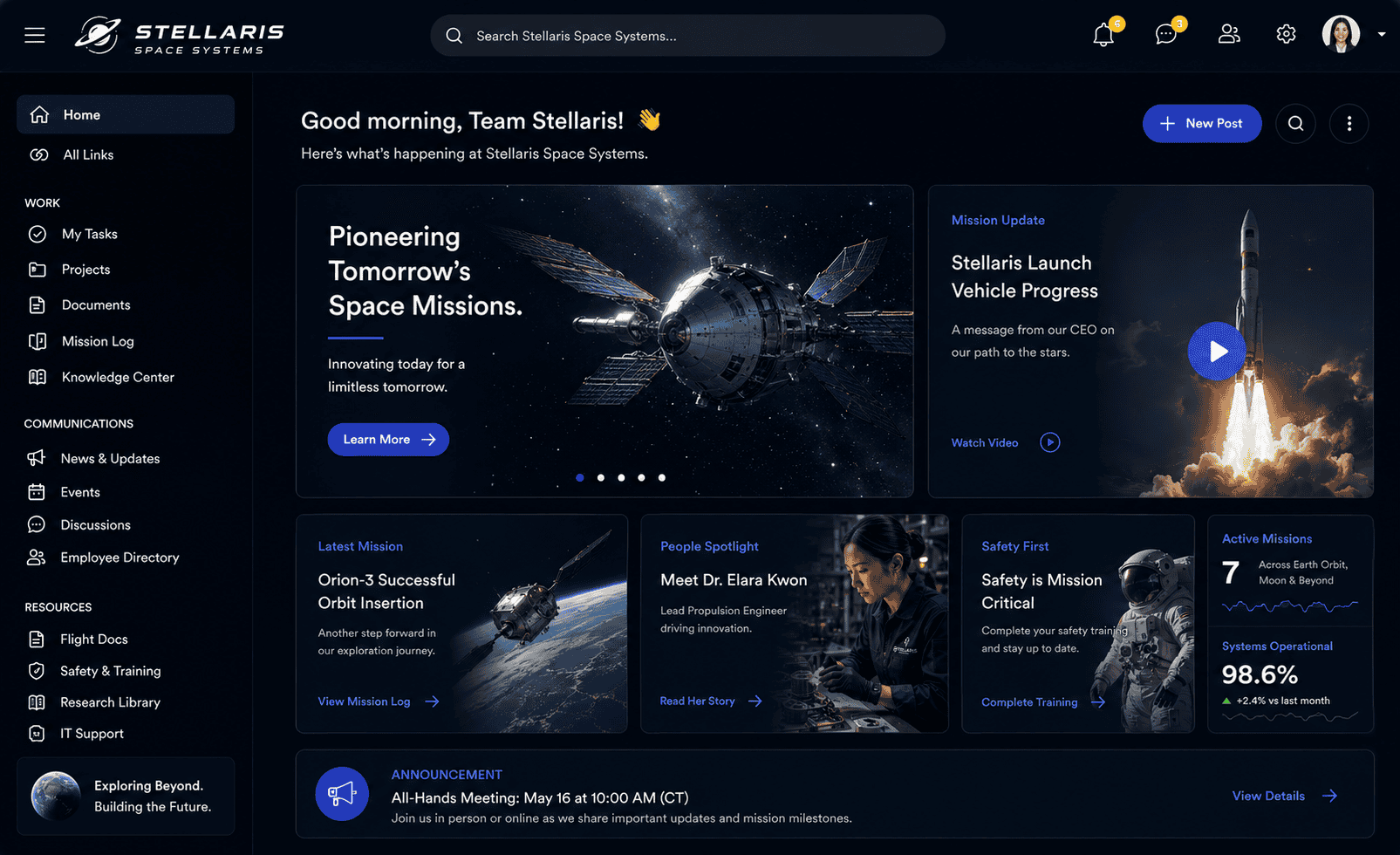
Benefits of a Digital Workplace
1. Improved Employee Communication
Employees have a single location to find company news, updates, and announcements.
2. Better Knowledge Sharing
Important information becomes easier to find and maintain.
3. Increased Productivity
Employees spend less time searching for documents and information.
4. Stronger Employee Engagement
A modern employee experience encourages participation and connection.
5. Simplified Access to Resources
Policies, forms, procedures, and training materials become easier to access.
6. Support for Hybrid Work
Remote and in-office employees can access the same information and tools.
Knowledge Management Best Practices
Knowledge management helps organizations capture, organize, and share information.
Effective knowledge management includes:
- Centralized document storage
- Consistent naming conventions
- Searchable content
- Content ownership
- Regular content reviews
Benefits include:
- Faster onboarding
- Reduced knowledge loss
- Improved efficiency
- Better decision making
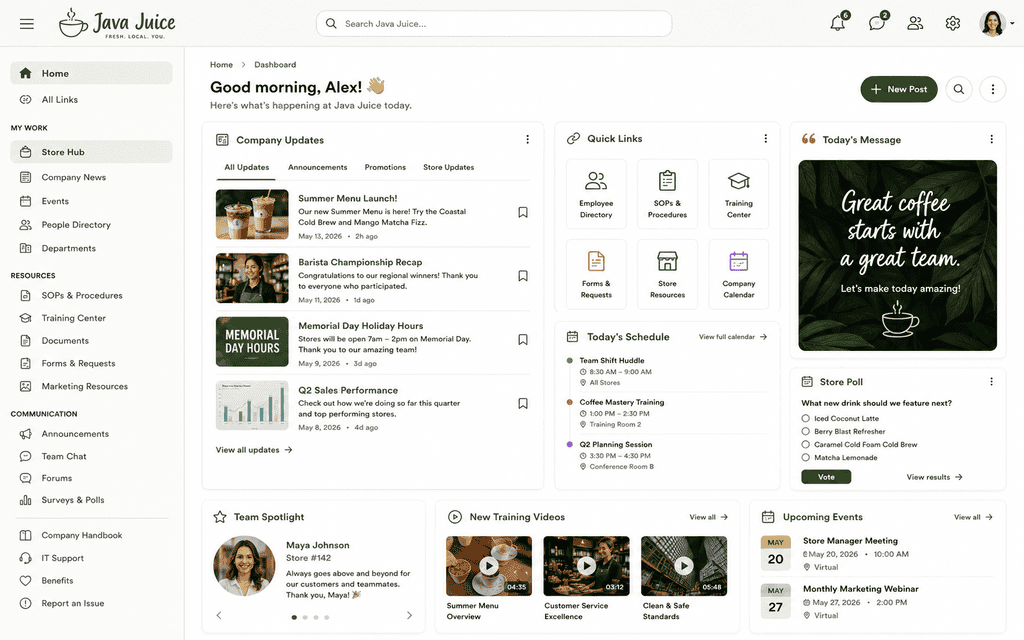
Employee Directory Benefits
Employee directories make it easier for employees to find colleagues, departments, and expertise.
A modern employee directory may include:
- Employee profiles
- Departments
- Job titles
- Contact information
- Skills and expertise
- Organizational charts
Benefits include:
- Faster communication
- Better collaboration
- Easier onboarding
- Improved organizational visibility
Supporting Hybrid and Remote Work
Hybrid work environments require employees to access information regardless of location.
A digital workplace can support remote teams by providing:
- Centralized communication
- Mobile access
- Document sharing
- Team collaboration spaces
- Employee directories
- Self-service resources
Organizations that support hybrid work often prioritize accessibility, consistency, and ease of use.
How to Choose Digital Workplace Software
When evaluating digital workplace solutions, consider:
Ease of Use
Employees should be able to quickly find information and complete tasks.
Customization
The platform should reflect your organization’s branding and structure.
Mobile Accessibility
Employees should have access from any device.
Search Capabilities
Finding information quickly is essential.
Integrations
The platform should connect with existing business systems.
Scalability
The solution should support future growth.
Security
Protecting company information should be a top priority.
Signs Your Current Intranet Is Failing
You may need a more modern solution if:
- Employees cannot find information.
- Content is outdated.
- Adoption is low.
- Communication relies heavily on email.
- Knowledge is stored in multiple locations.
- Employees complain about finding resources.
Addressing these issues can improve employee experience and operational efficiency.
Frequently Asked Questions
What is a digital workplace?
A digital workplace is a centralized platform that provides employees with access to communication tools, documents, resources, and collaboration features.
What is the difference between an intranet and a digital workplace?
An intranet is typically a component of a broader digital workplace strategy. A digital workplace often includes communication, collaboration, knowledge management, and employee experience features.
Why is internal communication important?
Internal communication helps employees stay informed, aligned, and engaged while reducing confusion and information silos.
What are the benefits of intranet software?
Benefits include improved communication, easier document access, better knowledge sharing, and increased employee productivity.
How does knowledge management improve productivity?
Employees spend less time searching for information and can more easily access organizational knowledge.
What features should digital workplace software include?
Common features include news publishing, document management, employee directories, knowledge bases, search functionality, mobile access, and integrations.
Can a digital workplace support remote employees?
Yes. Digital workplaces provide centralized access to information and resources regardless of employee location.
How do organizations improve employee engagement?
Organizations often improve engagement through better communication, recognition programs, collaboration opportunities, and easy access to information.
How Noodle Supports the Digital Workplace
Noodle helps organizations create a centralized employee experience by bringing together communication, knowledge sharing, employee resources, and collaboration tools.
Key capabilities include:
- Internal communications
- Employee directories
- Knowledge management
- Document management
- Company news and announcements
- Multiple interface layouts
- Mobile accessibility
- Search and discovery tools
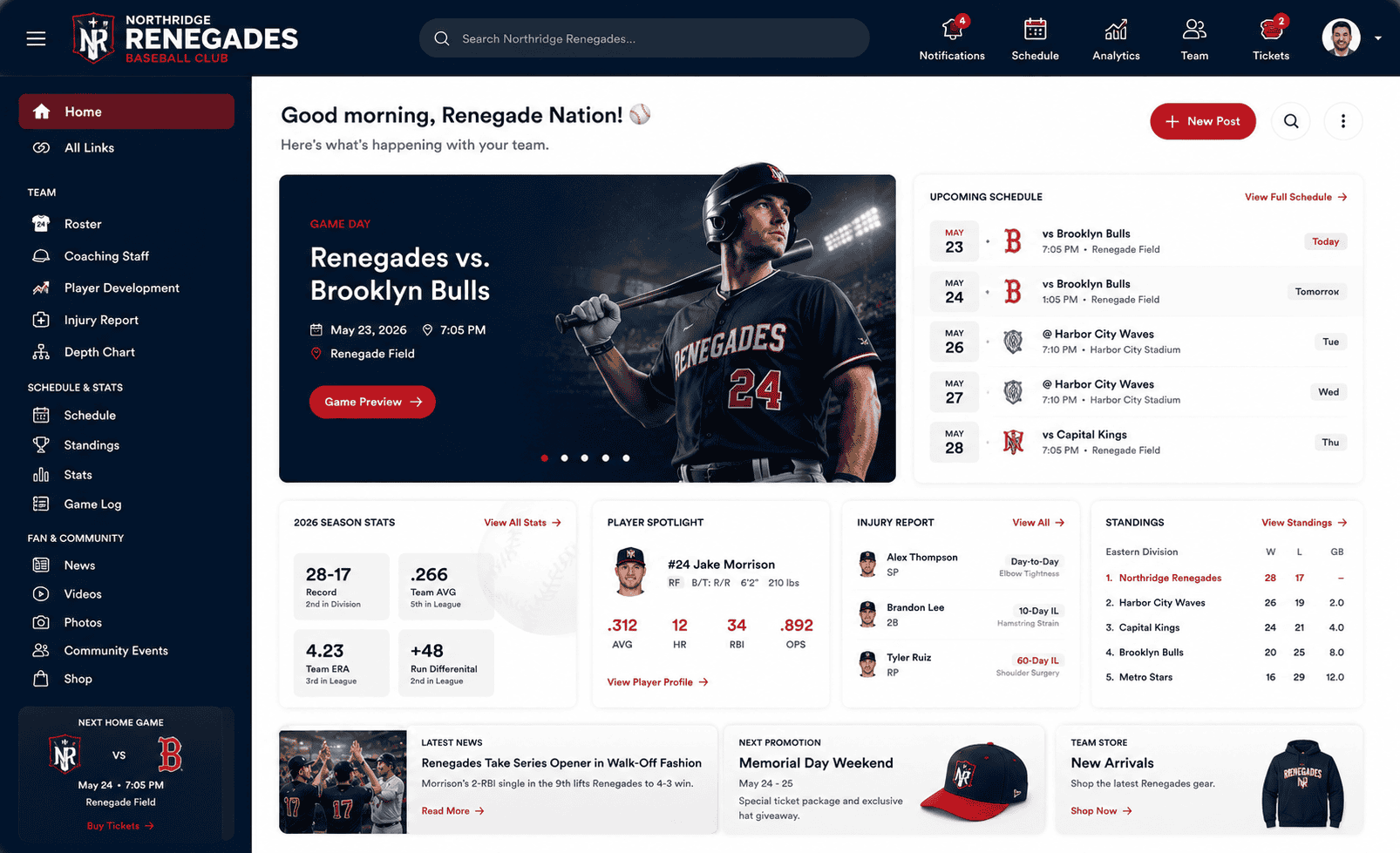
By centralizing information and improving access to resources, organizations can create a more connected, productive, and engaged workforce.
Ready to Modernize Your Digital Workplace?
Whether your organization is looking to improve internal communication, simplify knowledge management, or create a better employee experience, a modern digital workplace platform can help bring people, information, and resources together in one place.
Contact us to learn how Noodle can support your organization’s digital workplace strategy.